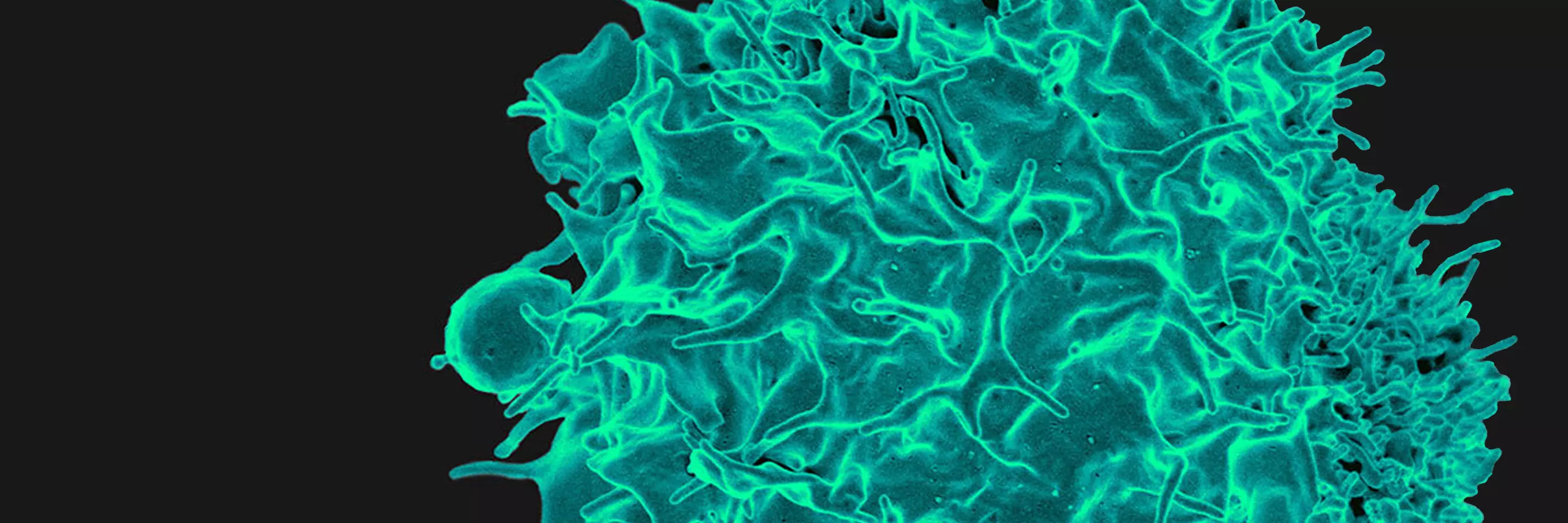
Immunotherapy was born at Memorial Sloan Kettering Cancer Center more than a century ago. Since then, our scientists have led advances in modern immunotherapy treatments, including immune checkpoint inhibitors, CAR T cell therapy, and cancer vaccines.
And MSK research continues to lead in the development of the next generation of immune-based therapies, while working to make current treatments more effective for more people and against more types of cancer.
Recent Immunotherapy Advances
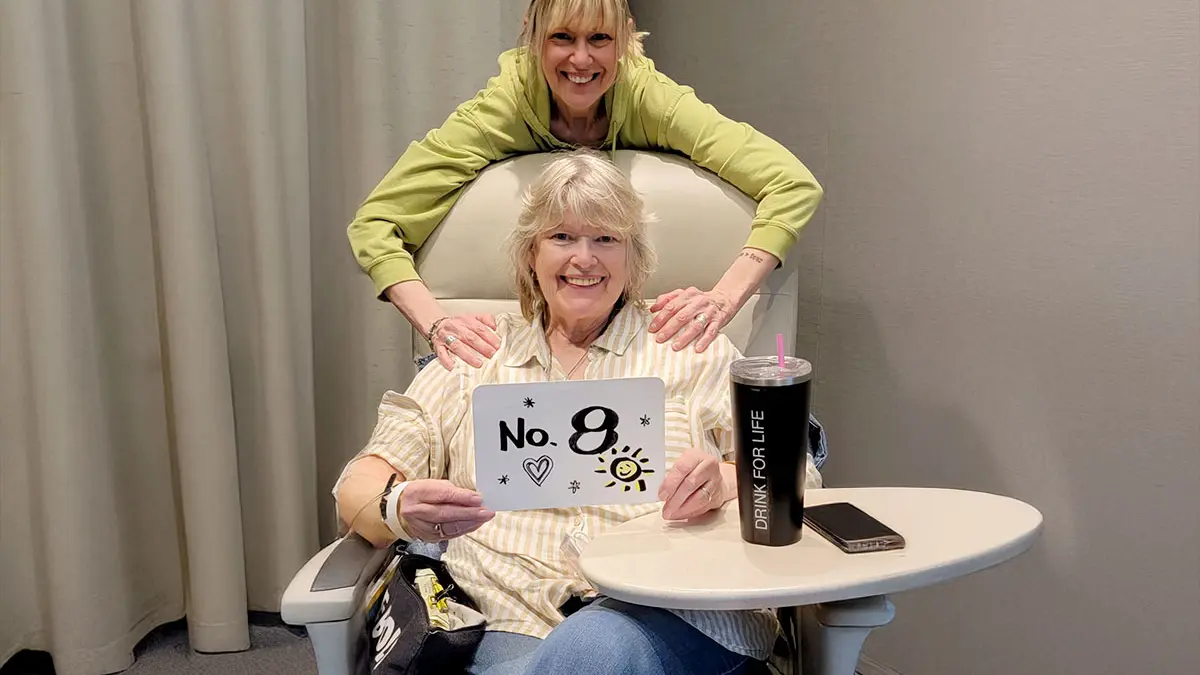
Learn about a clinical trial that used immunotherapy alone to treat people with several different types of cancer, meaning they did not need to undergo surgery, radiation or chemotherapy.
Learn how MSK researchers are deploying mRNA vaccines against pancreatic cancer.
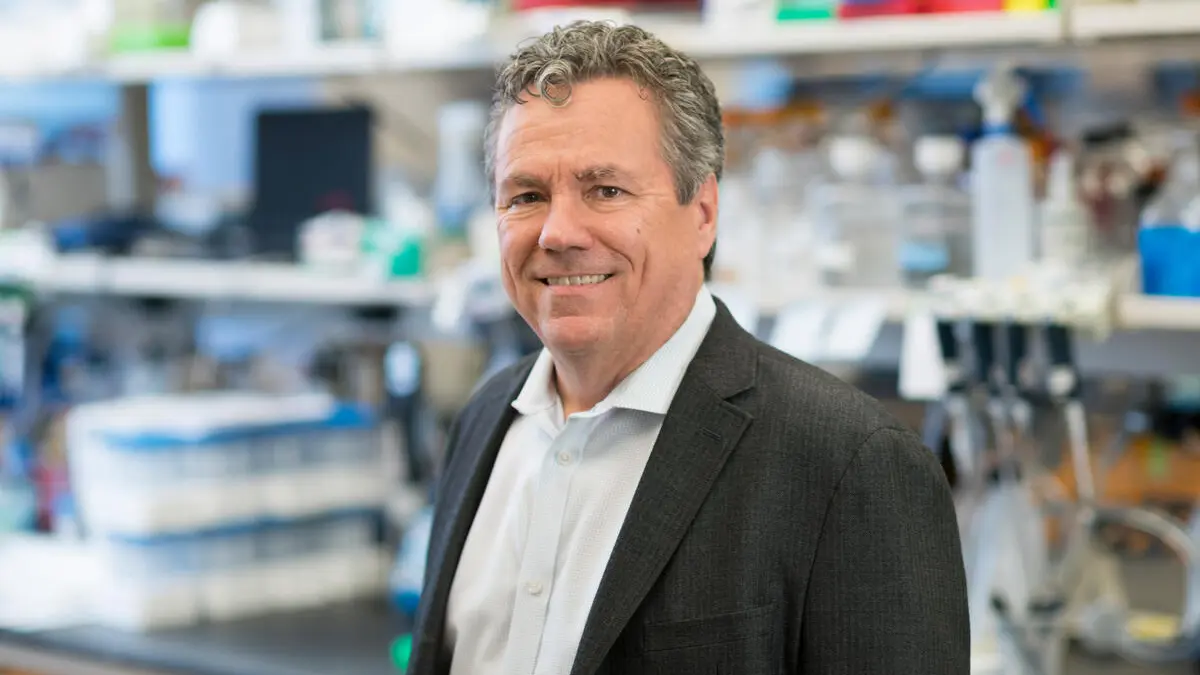
MSK researchers and collaborators have developed a new type of CAR T cell designed to attack a cell surface protein called uPAR — allowing them to target both tumors and cancer-supporting cells in the tumor microenvironment.
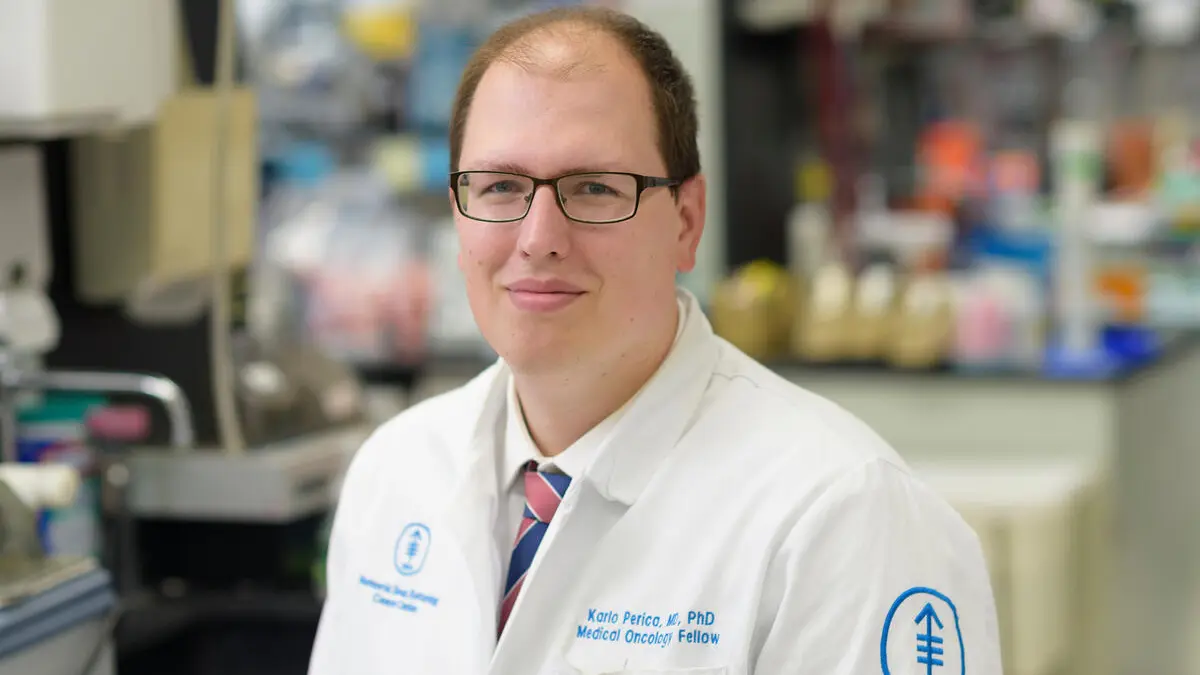
Learn how researchers are making better CAR T cells by taking a lesson from viruses.
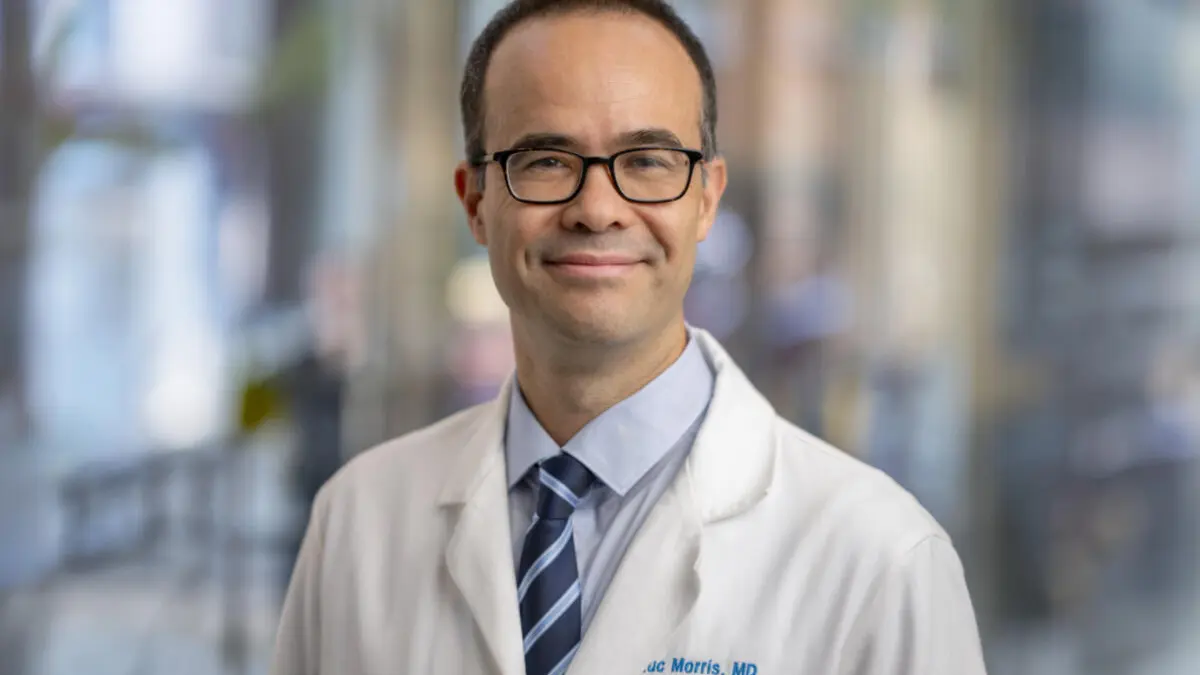
Researchers MSK and their collaborators at Mount Sinai have developed an artificial intelligence-based model to predict who will benefit from immune checkpoint inhibitors using only routine blood tests and clinical data.
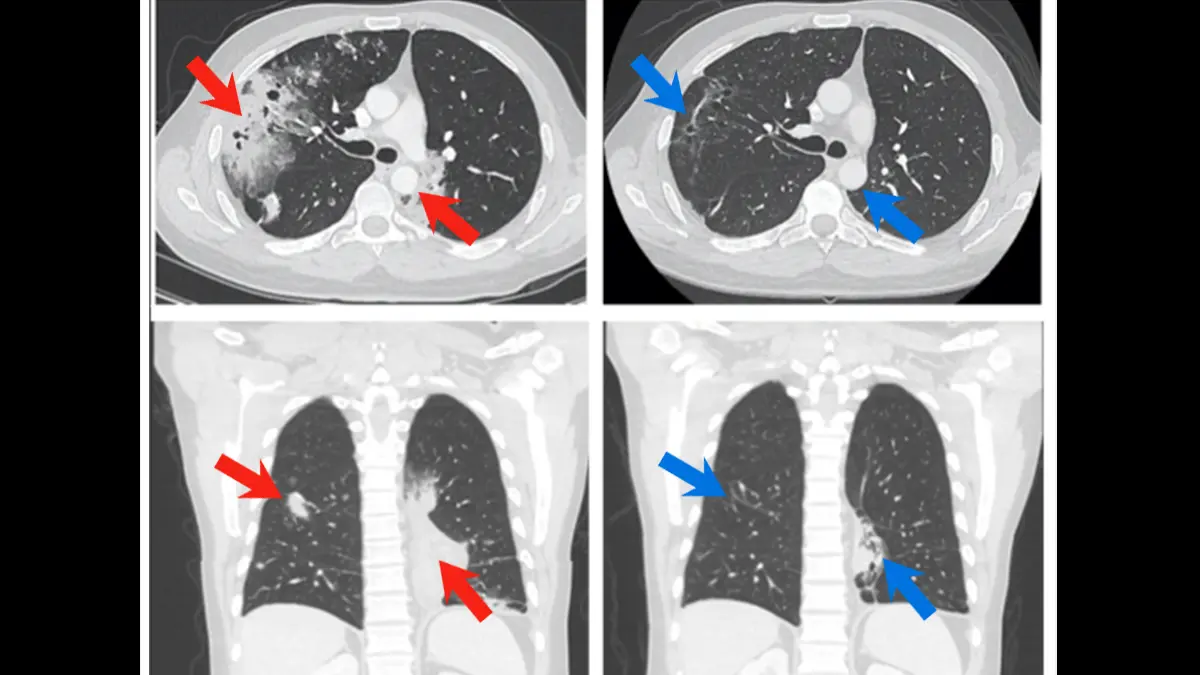
Research shows that TIL therapy, an emerging type of immunotherapy, works in some patients with non-small cell lung cancer.
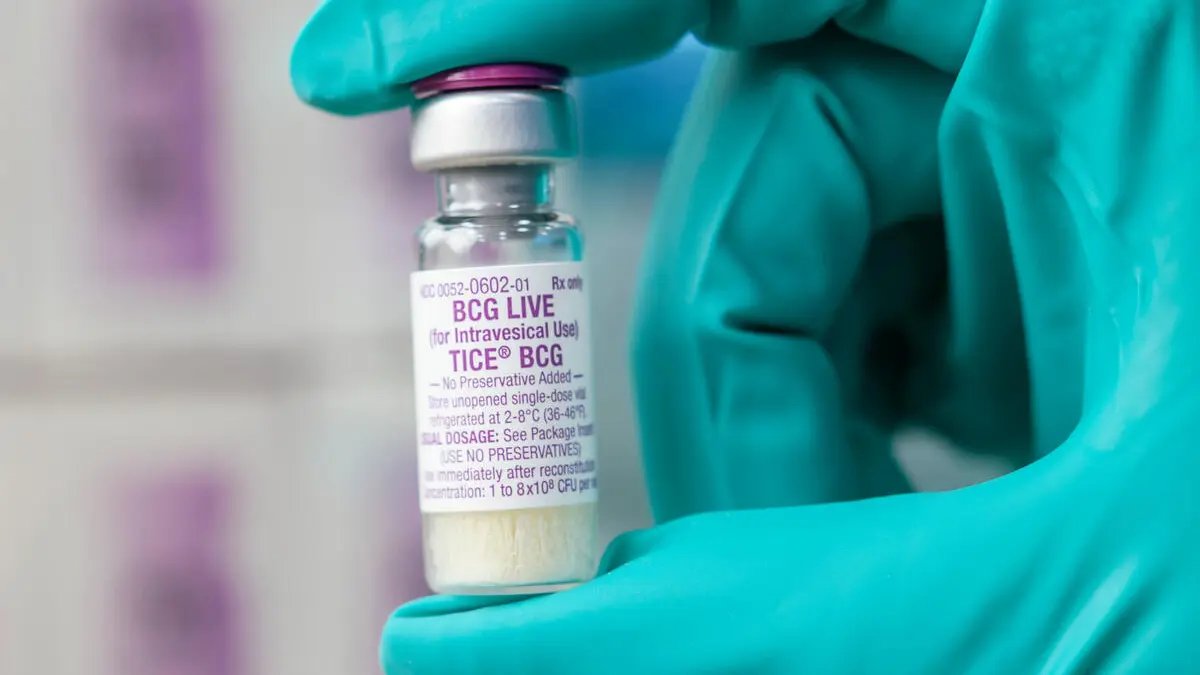
A team of researchers from MSK and Weill Cornell Medicine is expanding the understanding of how a decades-old treatment for bladder cancer works — an understanding that could help improve the effectiveness of immunotherapies more broadly.
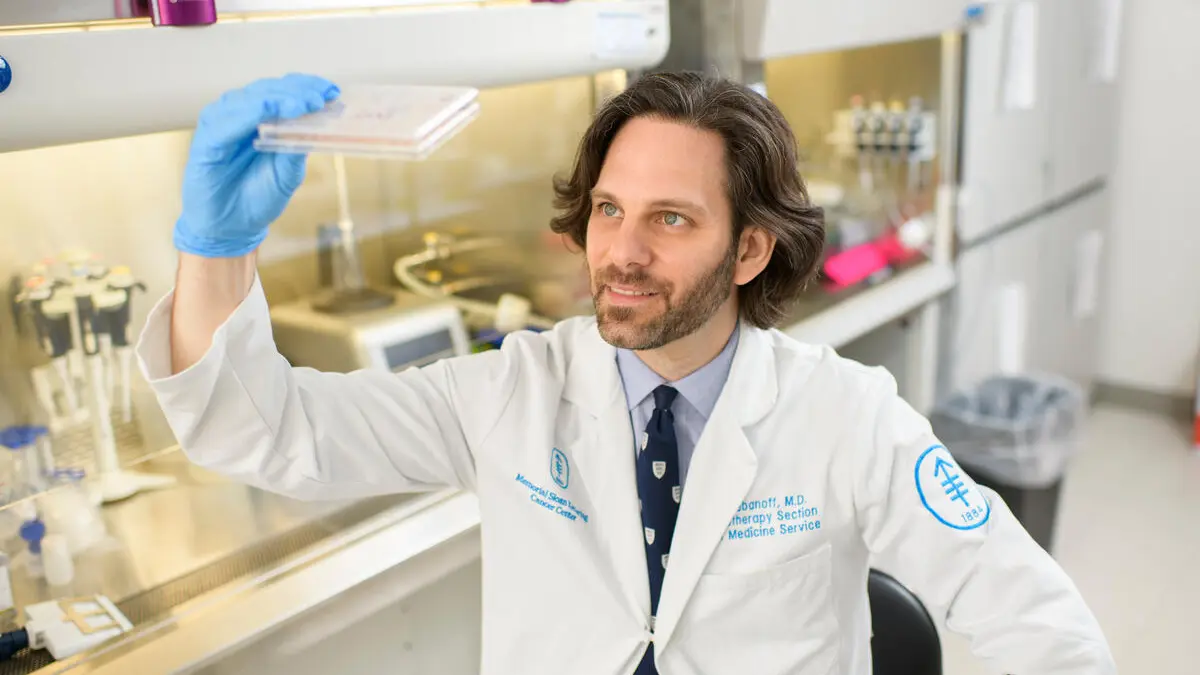
Read about a new discovery that could lead to more powerful cell-based therapies for cancer.
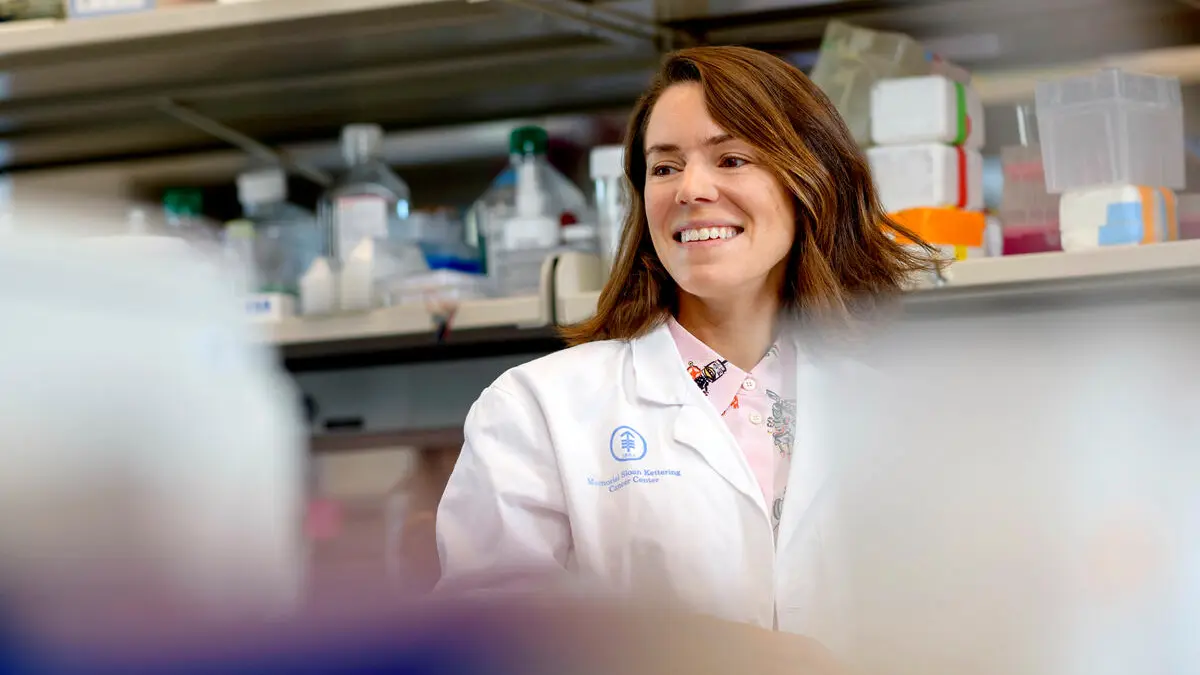
Thetis cells, a class of immune cells first described by MSK researchers in 2022, play an essential and previously unknown role in suppressing inflammatory responses to food, a new study finds.
MSK Immunotherapy Research Programs and Centers
Work on immunotherapy spans many research programs at MSK, from basic science to clinical translation. Learn more about each of them below.
- Centers
-
- Center for Cell Engineering
- Center for Experimental Immuno-Oncology
- Center for Experimental Therapeutics
- Center for Tumor-Immune Systems Biology
- Ludwig Center for Cancer Immunotherapy
- Marie-Josée Kravis Center for Cancer Immunobiology
- The Olayan Center for Cancer Vaccines at MSK
- Parker Institute for Cancer Immunotherapy
History of Immunotherapy Research at MSK
The first immunotherapy research at MSK dates back to the 1890s, when surgeon William Coley began treating cancer patients with a mixture of heat-killed bacteria (known as “Coley’s toxins”) after noticing that patients with bacterial infections sometimes saw their tumors shrink. Dr. Coley is now considered to be the “Father of Cancer Immunotherapy.”
And in the decades since, MSK has been home to numerous immuno-oncology advances, including:
- Discovering that cancer can be caused by viruses in the 1950s.
- Developing the Bacille Calmette-Guérin (BCG) tuberculosis vaccine to stimulate resistance to tumor growth in late 1950s — launching the modern era of tumor immunology. (BCG is still used today as a first-line treatment for some types of bladder cancer and recent MSK research suggests it might help against other types of cancer, too.)
- Performing the first bone marrow transplants in siblings in 1968, and in unrelated donors in 1973. Bone marrow transplantation remains a standard treatment today for some blood cancers.
- Developing the first engineered T cells — chimeric antigen receptor (CAR) T cells — to fight cancer in the early 2000s. Today they are a powerful way to fight leukemia and other blood cancers.
- Being a key participant in the discovery of and clinical trials for checkpoint inhibitors, for which former MSK immunologist Jim Allison, PhD, was ultimately awarded a Nobel Prize in 2018.
- Leading clinical trials that led to the Food and Drug Administration (FDA) approval of the first immune checkpoint inhibitor, Ipilimumab (Yervoy®), against melanoma in 2011. And leading clinical trials for the first combination of two immunotherapy drugs approved by the FDA in 2013.
- Pioneering a groundbreaking approach that showed many tumors with a type of mutation called mismatch repair deficiency (MMRd) can be successfully treated with immunotherapy alone — sparing patients across a number of cancer types from surgery, chemotherapy, and radiation.
- Currently leading pioneering laboratory research and clinical trials of cancer vaccines.
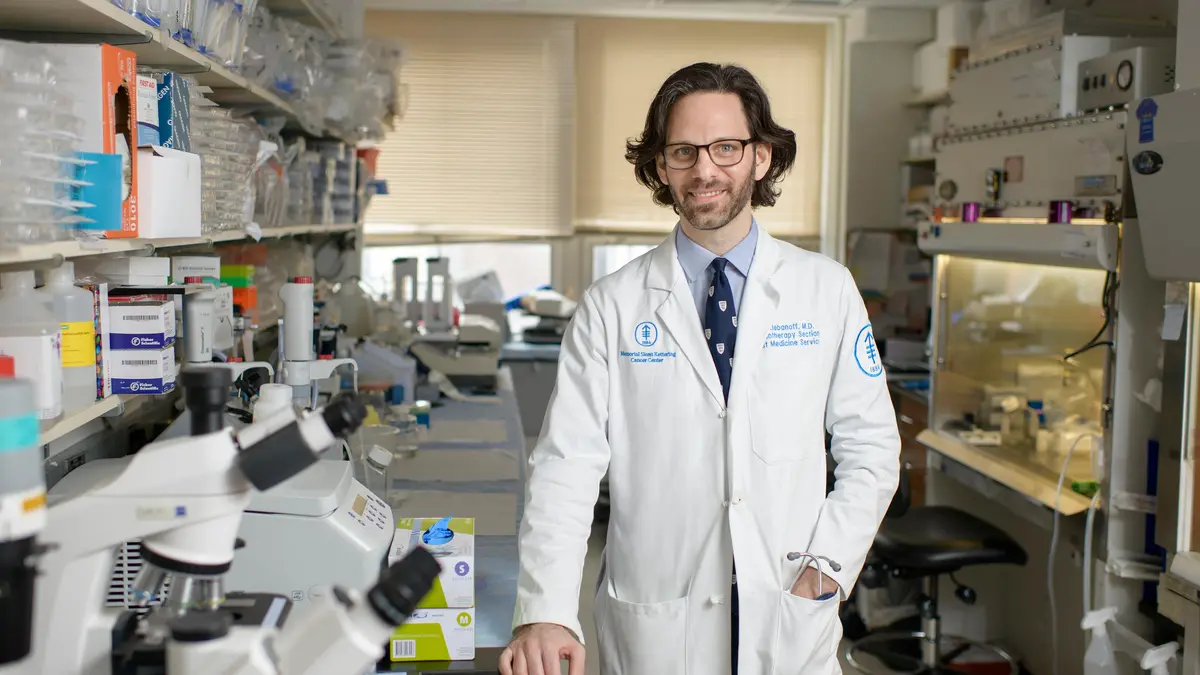
MSK’s Dr. Christopher Klebanoff has been developing a new type of immunotherapy called T cell receptor (TCR) therapy using custom-built immune cells that can detect cancer markers that come from the inside of cancer cells.